Lulu Yilun Chen
multimedia journalist
Bloomberg


Jack Ma-Backed Fintech Giant Has an AI to Manage Your Company’s Money
Ant International is using its vast data trove and AI engineering expertise to muscle into the overlooked yet lucrative world of global cash management.
The Rise and Fall of Simon Sadler’s Segantii, One of Asia’s Most Successful Hedge Funds
A criminal charge triggers the shutting of a 16-year-old fund with returns long envied by industry.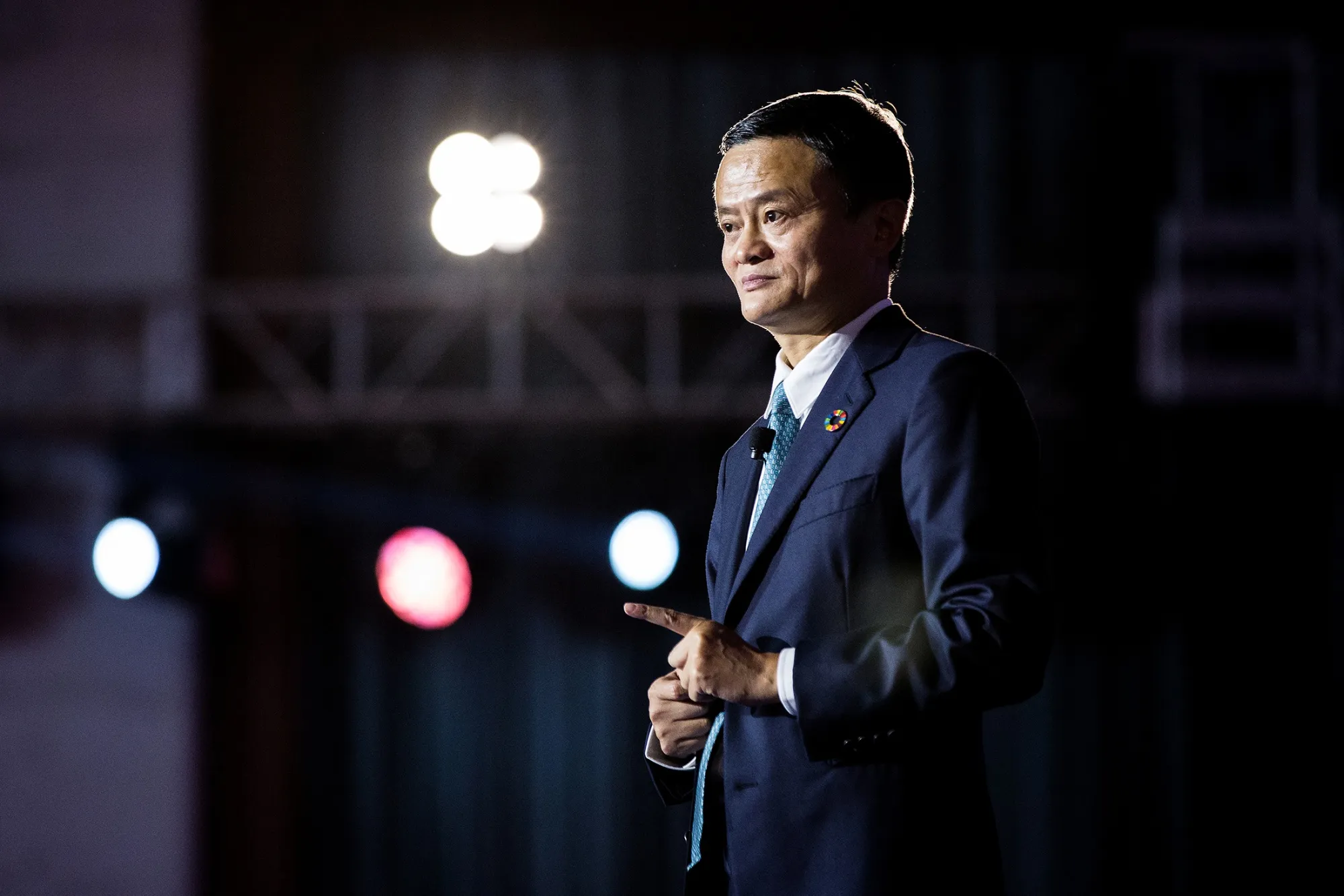
Jack Ma Returns With a Vengeance to ‘Make Alibaba Great Again’
During China’s yearslong crackdown on the tech sector, Alibaba Group Holding Ltd.’s internal messaging boards lit up with dreams to “MAGA” – Make Alibaba Great Again. Now, the company is deploying one of its most potent weapons to accomplish that mission: Jack Ma.
Dealmaking in Escort Bars Thrives in Pockets of Corporate Asia
In Tokyo’s Ginza, Seoul’s Gangnam and Beijing’s Chaoyang financial district a familiar scene plays out almost every night of the work week. As dusk falls, businessmen flock to karaoke and hostess clubs to close deals and build relationships in the liquor-lubricated intimacy of young women.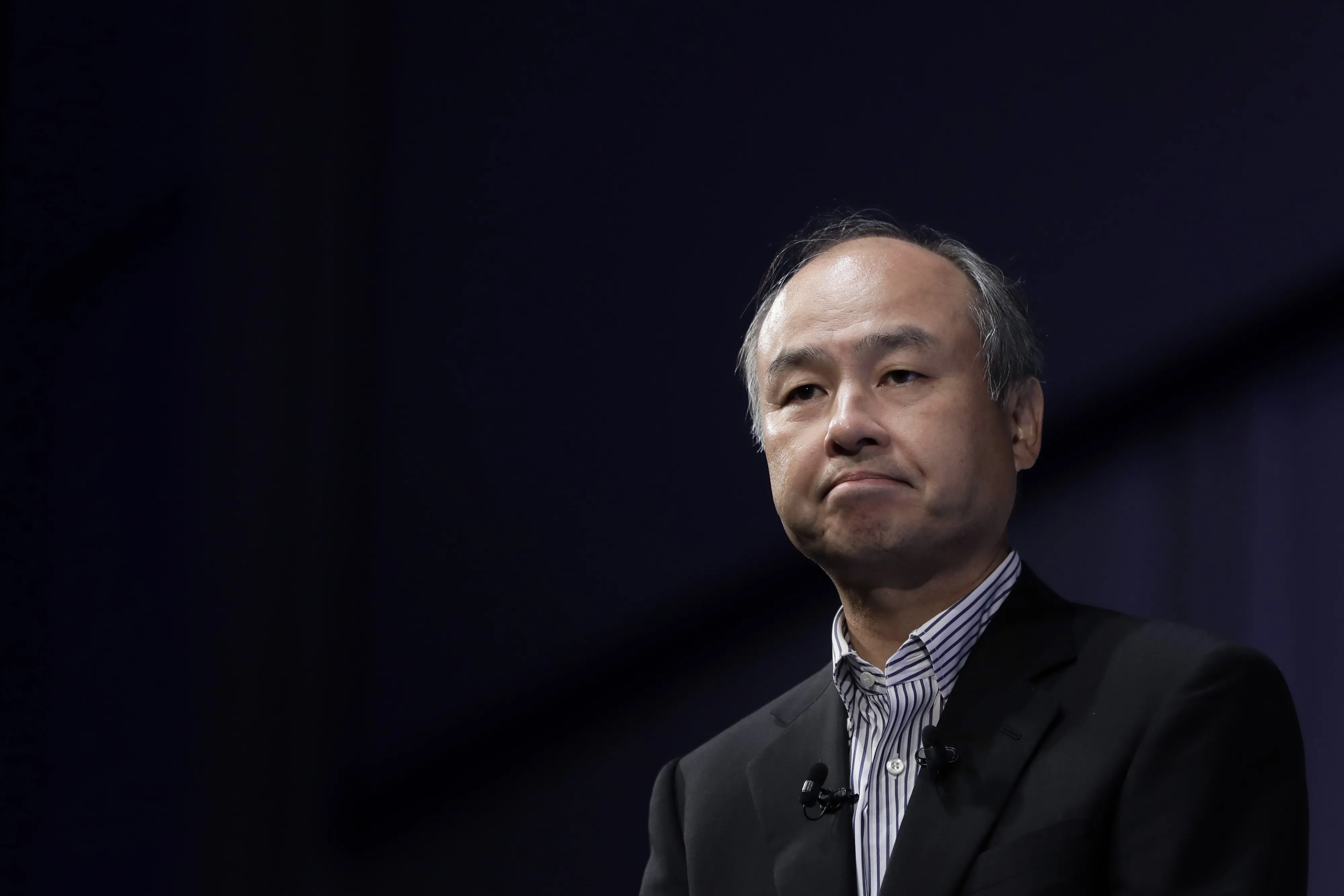
Inside the Eccentric, Relentless Deal-Making of Masayoshi Son
Early last year, Cheng Wei, founder and chief executive of the Chinese ride-hailing juggernaut Didi Chuxing, tried to resist taking money from legendary investor Masayoshi Son. Cheng told the SoftBank Group chief he didn’t need the cash because his company had already raised $10 billion, according to people familiar with the matter. Fine, Son said, then suggested he might direct his support to one of Didi’s rivals. Cheng relented and took the investment: $5 billion in the largest fundraising round ever for a tech startup.
Uber Slayer: How China’s Didi Beat the Ride-Hailing Superpower
“We felt like the People’s Liberation Army, with basic rifles, and we were bombed by airplanes and missiles.” At the Beijing offices of the ride-hailing startup Didi, many employees refer to Cheng Wei, the founder and chief executive officer, as laoda, or “big boss.” Others use his English nickname, Will. This summer the world came to know him by another designation: the Uber Slayer, the one entrepreneur who managed to beat back the relentless advance of the richest, most rapacious startup since Bill Gates ran Microsoft. In August, after a multibillion-dollar, year-and-a-half-long battle, Uber agreed to sell its business in China and depart the country.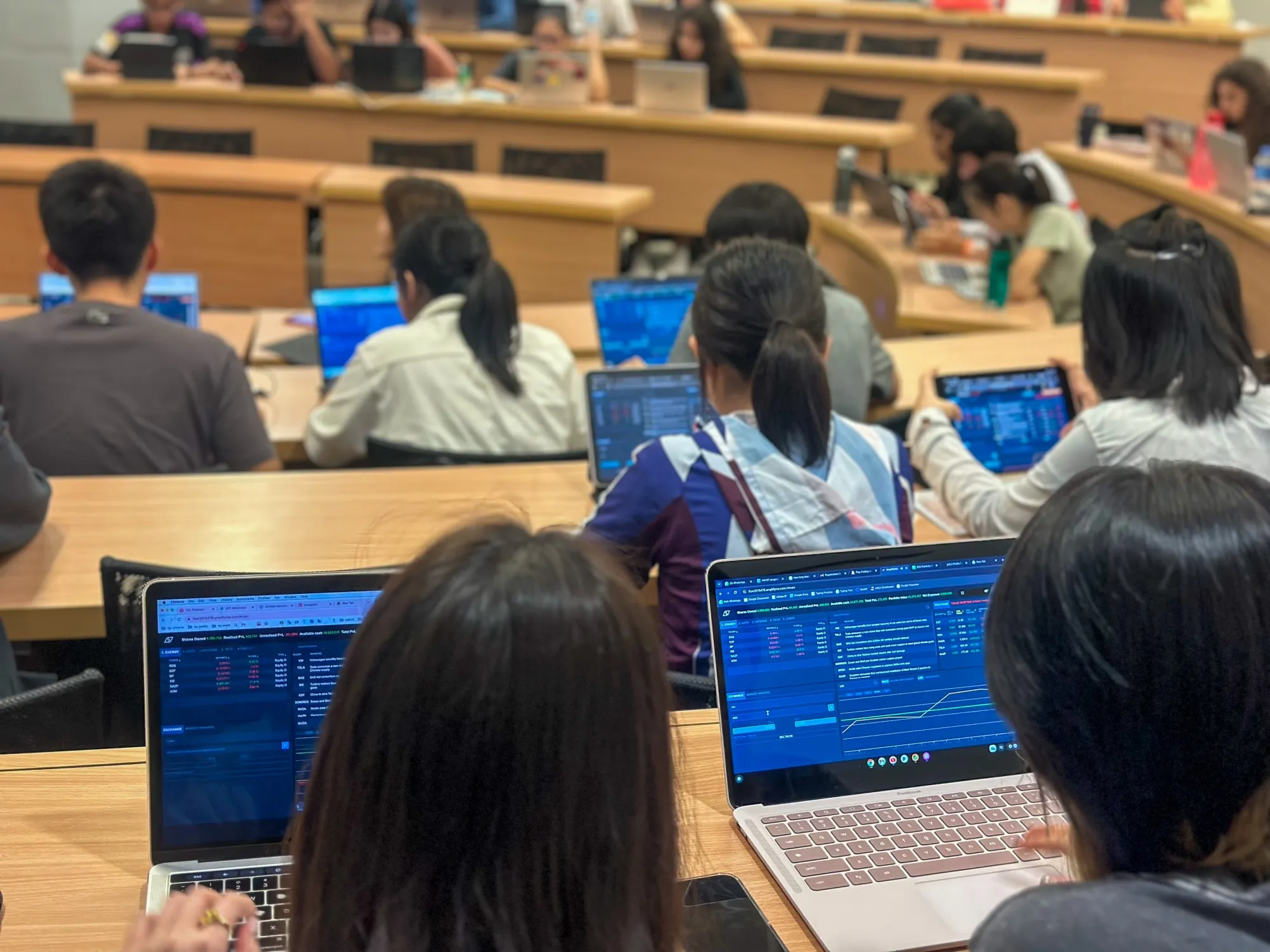
Teenagers Trade $20 Million to Prep for Jobs at Citadel, Nomura
From Morgan Stanley to Citadel, the titans of finance are spanning the globe to find ever-younger talent to eventually fill their ranks with the best and brightest. That’s creating opportunities for firms like AmplifyME Ltd., which for years has run seminars for university students, and is now extending them to high schoolers in places like Hong Kong and Singapore.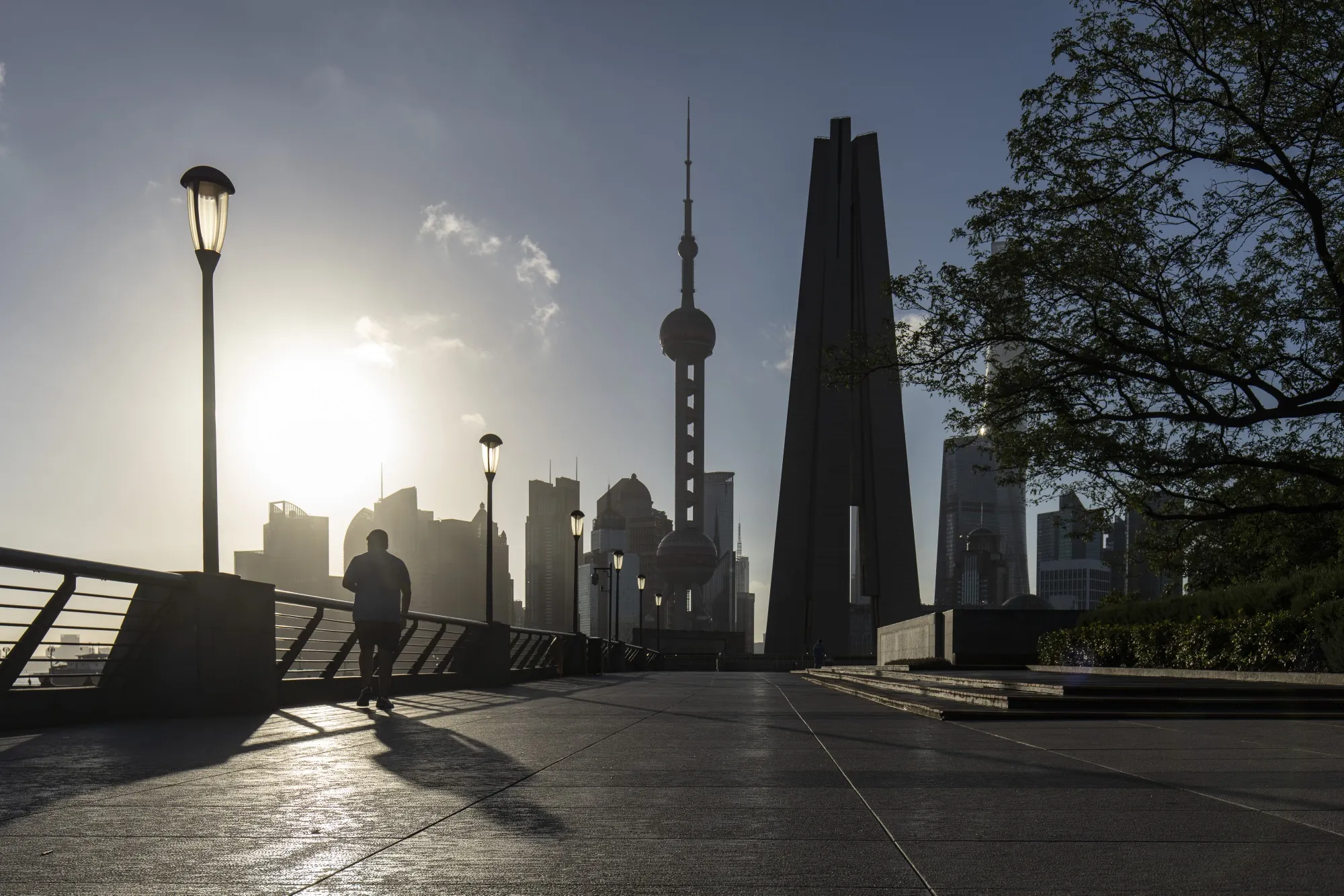
Xi Unleashes a Crisis for Millions of China’s Best-Paid Workers
China created a professional class in record time. Now, just as swiftly, many of their dreams are being crushed.
The World’s Greatest Delivery Empire
In China, Meituan has reshaped city life — and heightened a rivalry with a certain competitor. The showdown isn’t just business. It’s personal. Alibaba funded Meituan in its early years, and the relationship ended after Meituan Chief Executive Officer Wang Xing wriggled out of that partnership, infuriating Alibaba co-founders Jack Ma and Joe Tsai. Wang, a slight figure with wire-rim glasses and a buzz cut, says the clash was inevitable.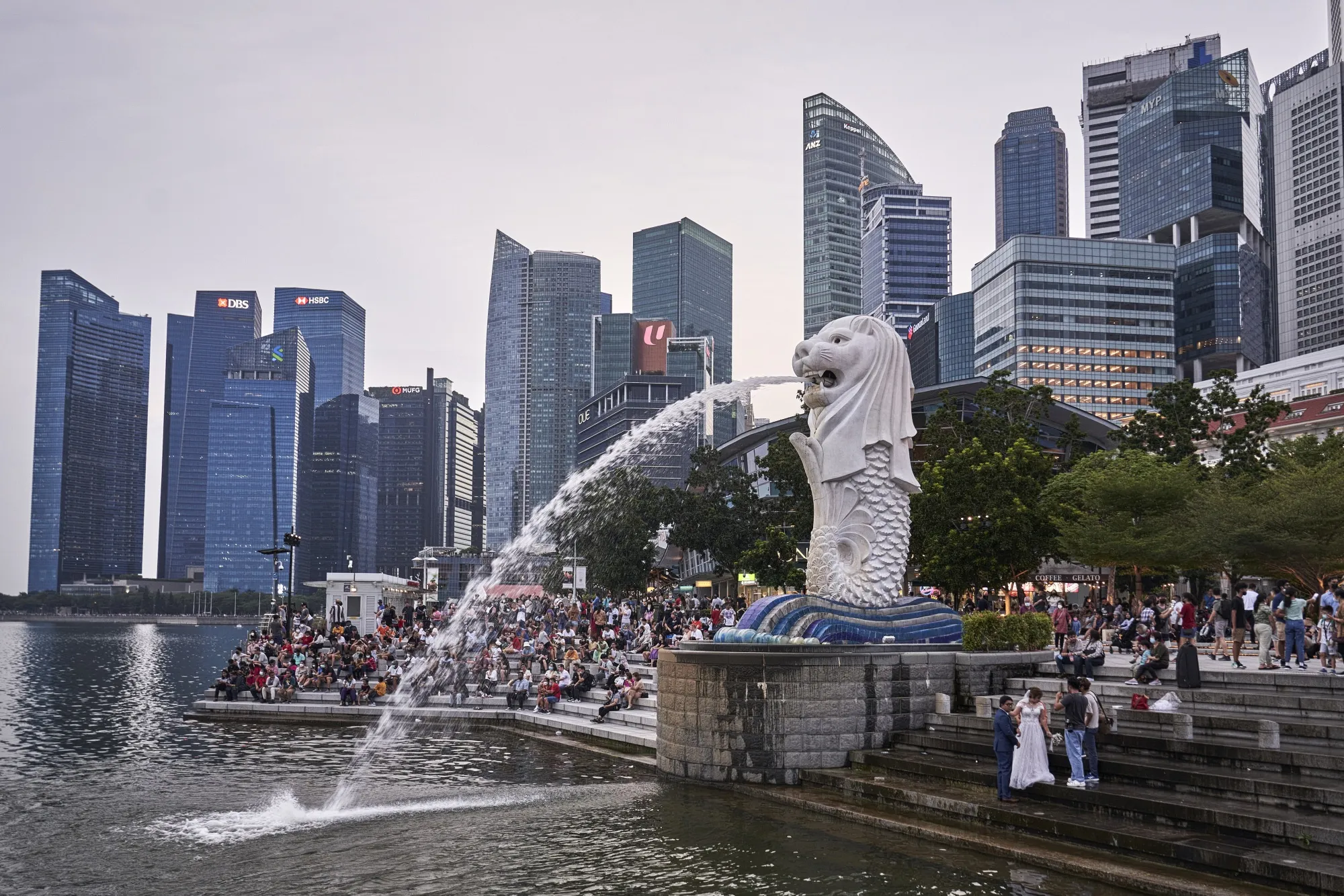
Xi’s Crackdowns Drive Chinese Billionaires to Booming Singapore
Xi’s drive for “common prosperity” means entrepreneurs -- who once embraced Deng Xiaoping’s maxim that to get rich is glorious -- are flocking to more welcoming places like Singapore.
Asia’s Family Office Frenzy Comes With Plenty of Imposters
A rapidly growing wealth management industry is spurring a rise in allegations of fake family offices from Singapore to Hong Kong, forcing many in the sector to go “full CSI” to weed out imposters.
One of the Decade’s Hottest Bond Markets Is Imploding in China
When investor demand for Chinese property debt was approaching its peak back in 2018, a banker could pull together the makings of a multi-million dollar deal during a Saturday boat trip around Hong Kong’s harbor and barely look up from her drink while doing it. Now, the $203 billion market—which once yielded several deals a week and padded portfolios across the world from Pimco to UBS—is all but dead. And offshore investors are swallowing almost all of the losses.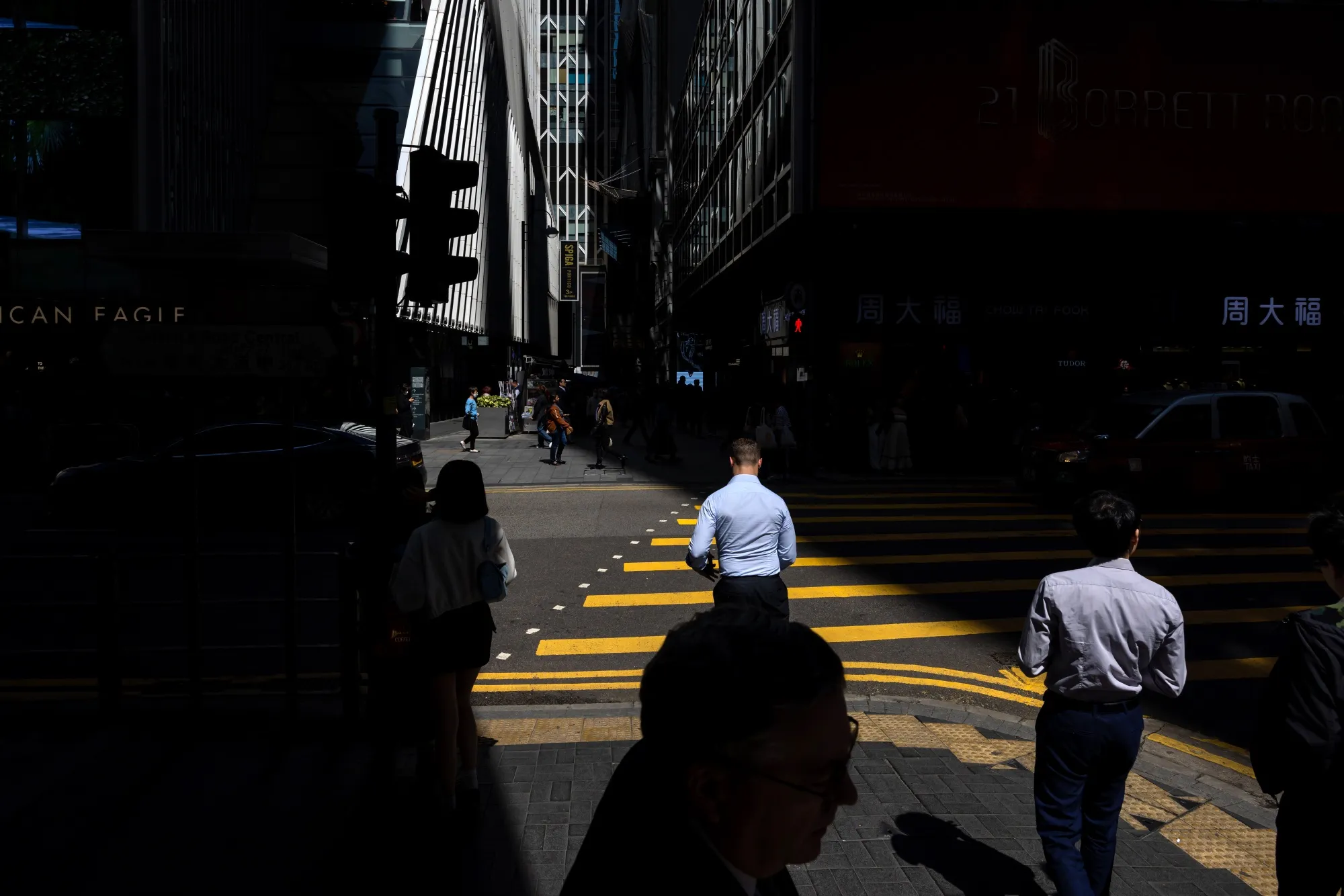
Once High-Flying Bankers in Hong Kong Become a Lost Generation
Finance professionals with Chinese expertise were highly sought after five years ago. Now, job security is vanishing as deals dry up.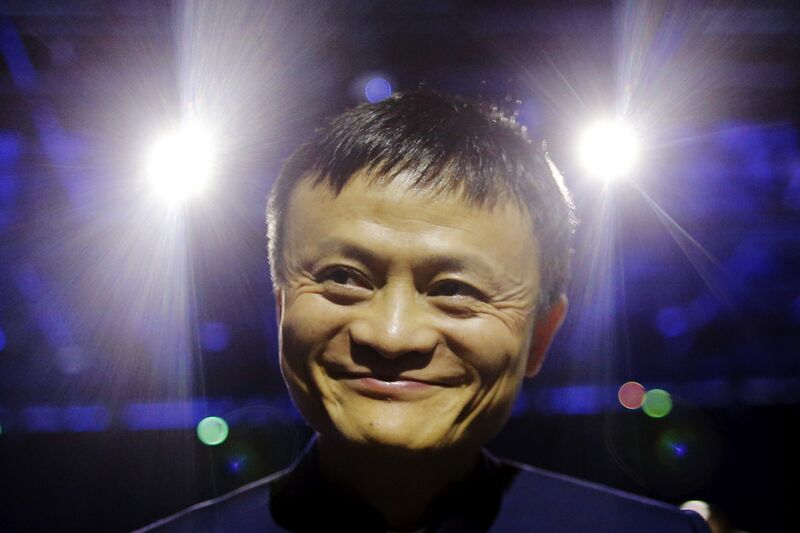
How China Lost Patience With Jack Ma, Its Loudest Billionaire
While the sudden cancellation of his Ant Group IPO shocked many investors, Ma’s fall from grace had been years in the making.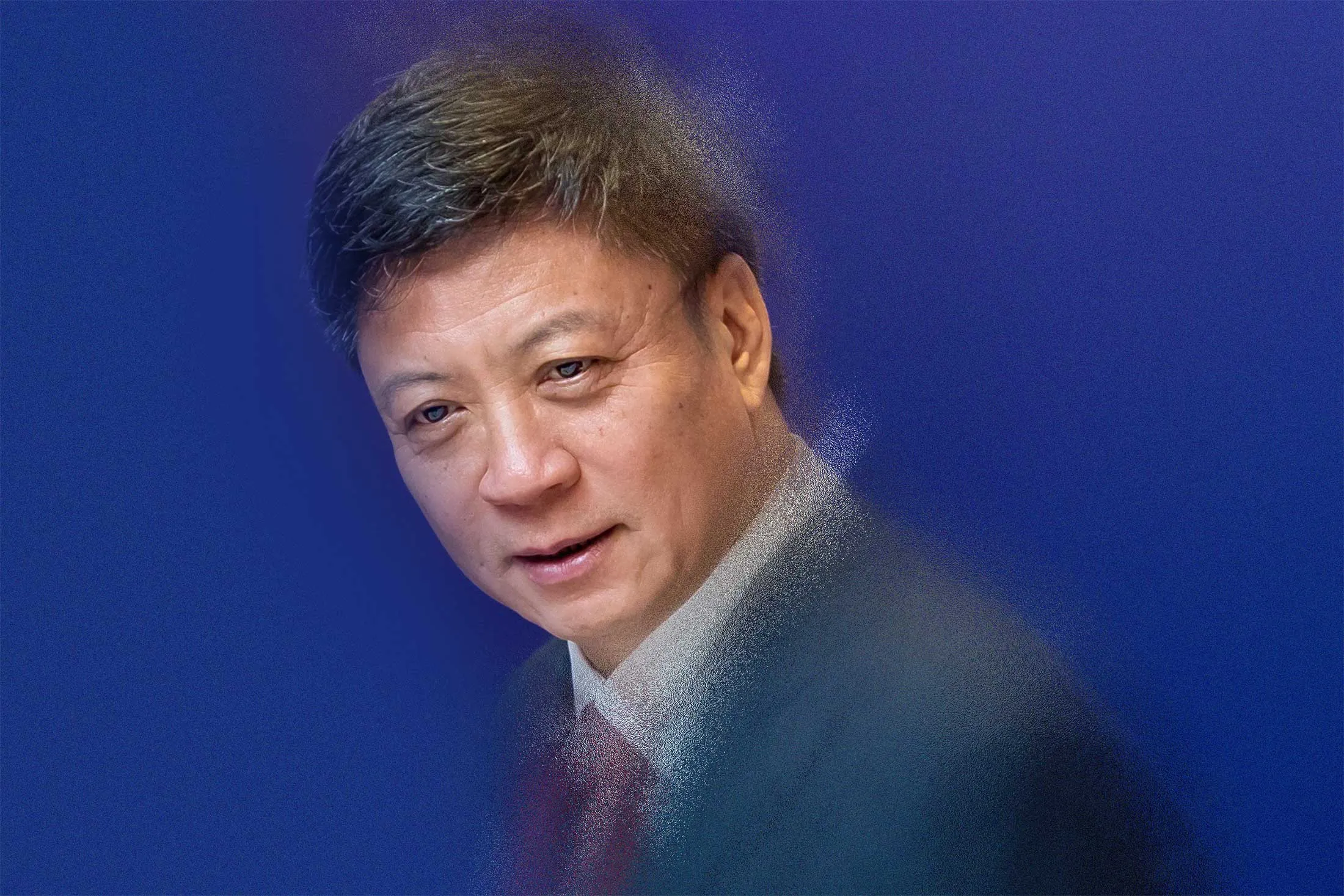
Chinese Tycoon on the Rebound After $10 Billion Debt Deal
A successful credit restructuring sets developer Sunac apart from peers such as Evergrande and Country Garden.
Mortgage Boycott Shows How Deep China’s Property Crisis Goes
Developers like Evergrande sold homes they haven’t yet delivered, and now some borrowers are refusing to pay.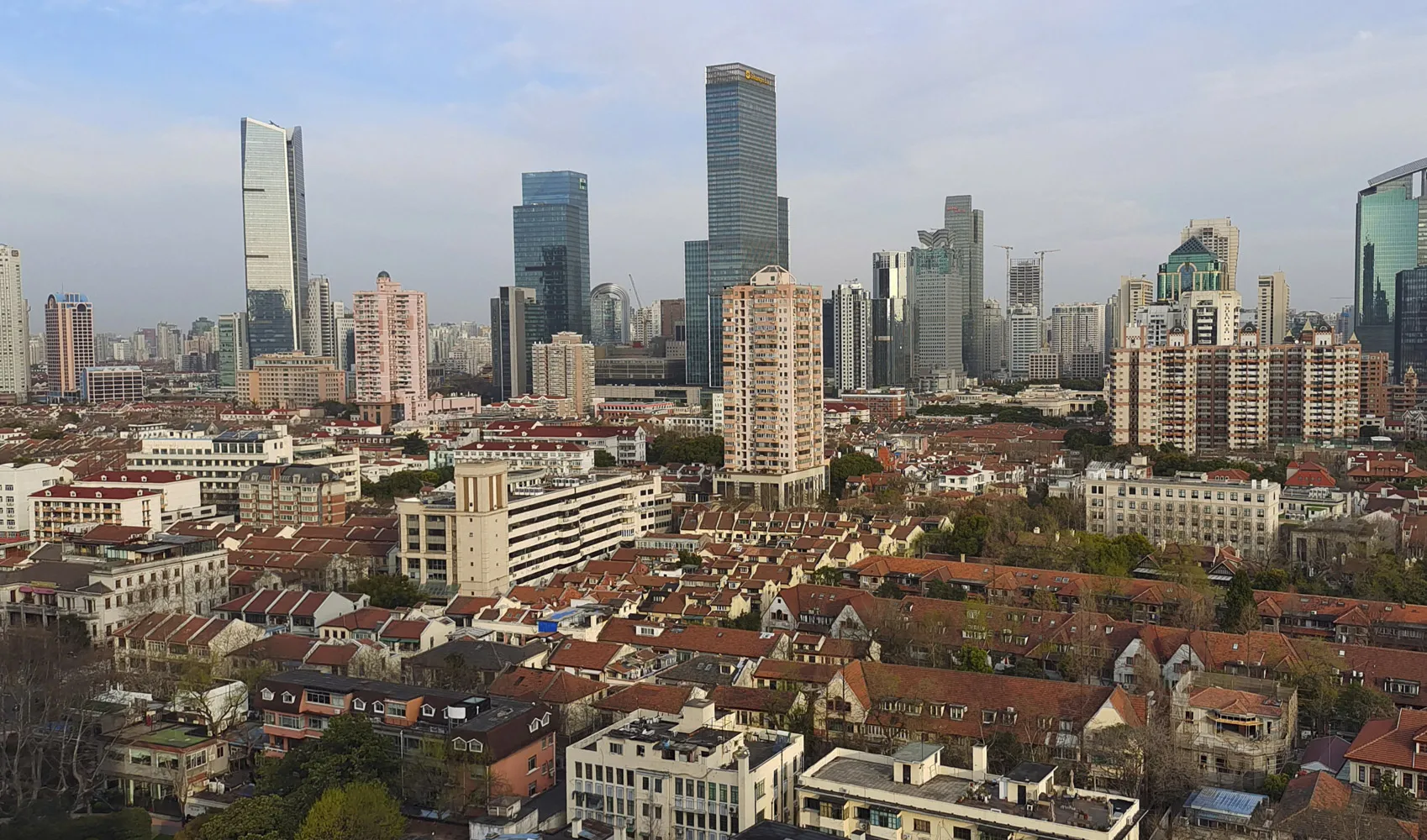
China’s Debt-Fueled Housing Market Is Having a Meltdown, Again
Three years ago, China cracked down on a booming real estate sector to reduce risk and make homes more affordable—part of President Xi Jinping’s “common prosperity” drive. Beijing may have gone too far, it now seems.
Citadel Vets 69,000 Intern Applicants to Find Next Math Geniuses
Math and coding are increasingly desired skillsets for staff at banks and investment firms around the world, but it’s particularly so at Ken Griffin’s firms where quantitative researchers and engineers devise trading strategies and deploy algorithms to automate the process.
Tencent Dominates in China. Next Challenge Is Rest of the World
The WeChat app has almost a billion users, and many of them use it all day. So why isn’t the company everywhere by now?

The Chinese Powerhouse That Scares Banks
Ant Group’s extraordinary rise over the past 15 years has come largely at the expense of traditional financial companies in China and, to a lesser extent, overseas. Ant’s wildly popular money-market funds have siphoned deposits from banks. Its online payment systems have disrupted card issuers. And its credit units have challenged lenders of all stripes.
The Chinese Unknown That’s Making Africa’s Phones
Transsion’s rise in Africa comes at a time when the continent is undergoing rapid transformation, owing significantly to the convergence of technology, trade, urbanization, and a huge swing in Chinese investment, including $60 billion since 2016.
Why China’s Millennials Are Happy to Own Nothing
Faced with a widening wealth gap and the slowest economic growth in more than two decades, millions like Tyler Xiong find themselves priced out of the big cities and are rejecting the consumer trappings of a modern lifestyle. Instead, they’re embracing the sharing economy to a far greater degree than their Western counterparts.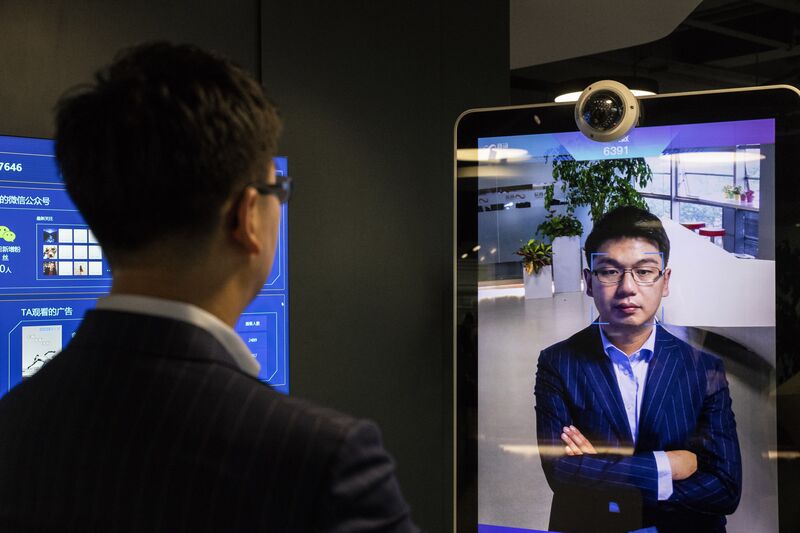
World’s Most Valuable AI Startup Scrambles to Survive Trump’s Blacklist
The co-founder of China’s SenseTime Group Ltd. was visiting New York to encourage more collaboration with the U.S. on artificial intelligence when he heard the news: The Trump administration had blacklisted his company. So much for more cooperation.
Hedge Fund’s Big Short Shows Why Alt-Data Demand Is Surging
Covid-19 has prompted a fresh surge in demand for off-the-beaten-path statistics that might shed light on the pandemic’s impact on economies and markets. Interest in Chinese data has been particularly strong as money managers try to get an early read on efforts to contain the virus and reboot the world’s second-largest economy.
China Loses a Tech Generation as the Big Payoff Promise Fades
Amid mounting job losses, startup employees are pushing back against a relentless work culture.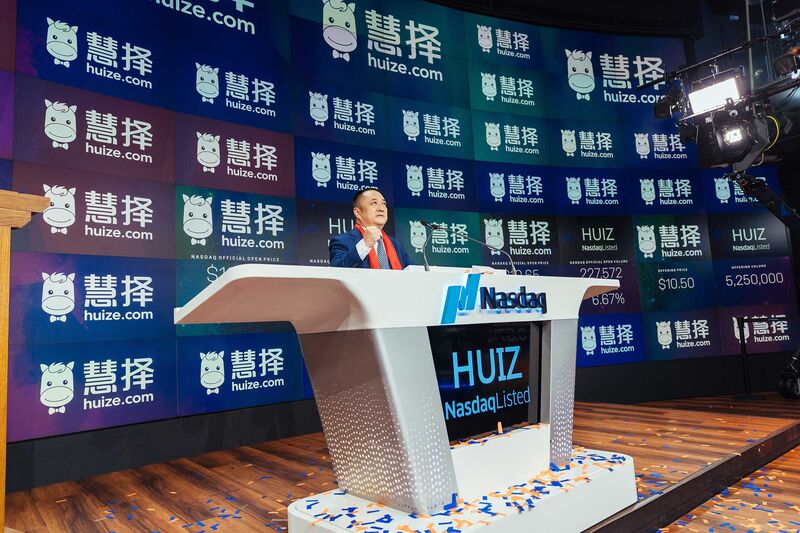
The Chinese IPO That Led the Way in Wall Street’s Virtual Shift
Virtual dealmaking may outlast the virus in an industry that’s long mythologized the handshake. As the pandemic began rattling markets, there was no such thing as business as usual.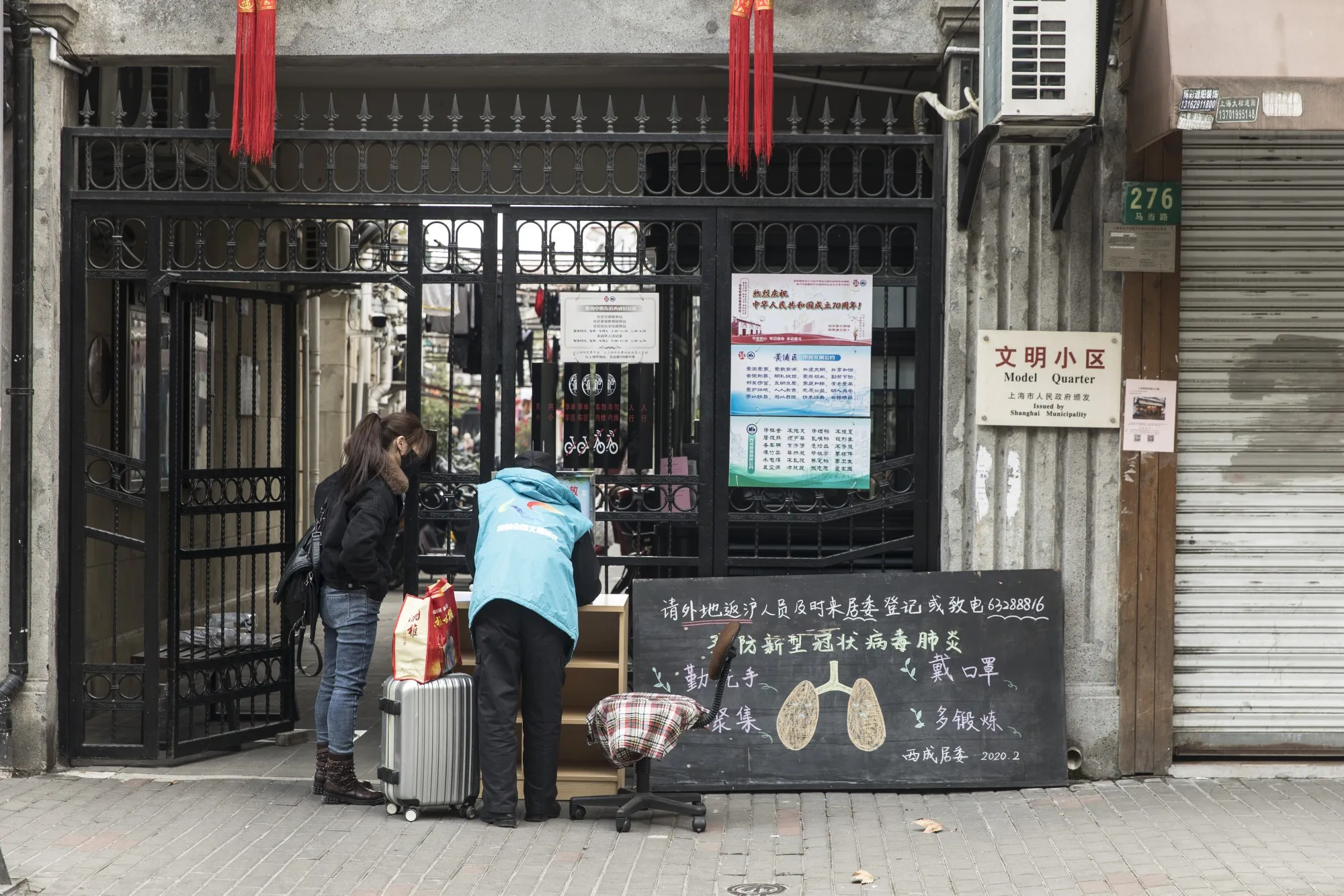
One Worker’s Grueling Journey Home Shows China Isn’t Normal Yet
The government’s efforts to get the economy moving again after weathering the worst of China’s coronavirus outbreak is clashing with the reality on the ground. Migrant workers looking to finally travel back to their jobs in Beijing and other major cities must cope with constantly changing quarantine policies enforced by local officials whose decisions often seem arbitrary.
Heartbreak in the Streets of Wuhan
A resident reconstructs how her mother and grandmother struggled through the onslaught of the virus—and lost.
China’s Rich Entrust Total Strangers to Sneak Cash Out of the Country
Professional wealth advisers connect clients to remittance firms that rely on customer trust—and sometimes criminal cash.Farming the World: China’s Epic Race to Avoid a Food Crisis
China’s 1.4 billion people are building up an appetite that is changing the way the world grows and sells food. The Chinese diet is becoming more like that of the average American, forcing companies to scour the planet for everything from bacon to bananas.
Bitcoin Spawns China Virtual IPOs as U.S. Scrutiny Deepens: Tech
In 2013, a small but growing group of investors in China put the country into contention with the U.S. as the biggest downloader of the virtual money.
Bitcoin Is Having a Civil War Right as It Enters a Critical Month
It’s time for bitcoin traders to batten down the hatches. The notoriously volatile cryptocurrency, whose 150 percent surge this year has captivated everyone from Wall Street bankers to Chinese grandmothers, could be headed for one of its most turbulent stretches yet.
US-China Audit Deal Faces First Test as Inspectors Head to Hong Kong
After a decades long impasse that led to a threat to kick about 200 Chinese firms off New York stock exchanges, US inspectors may soon get their first look under the hood of some of China’s largest corporations, if all goes as planned.